What Is Sedation in Dentistry?
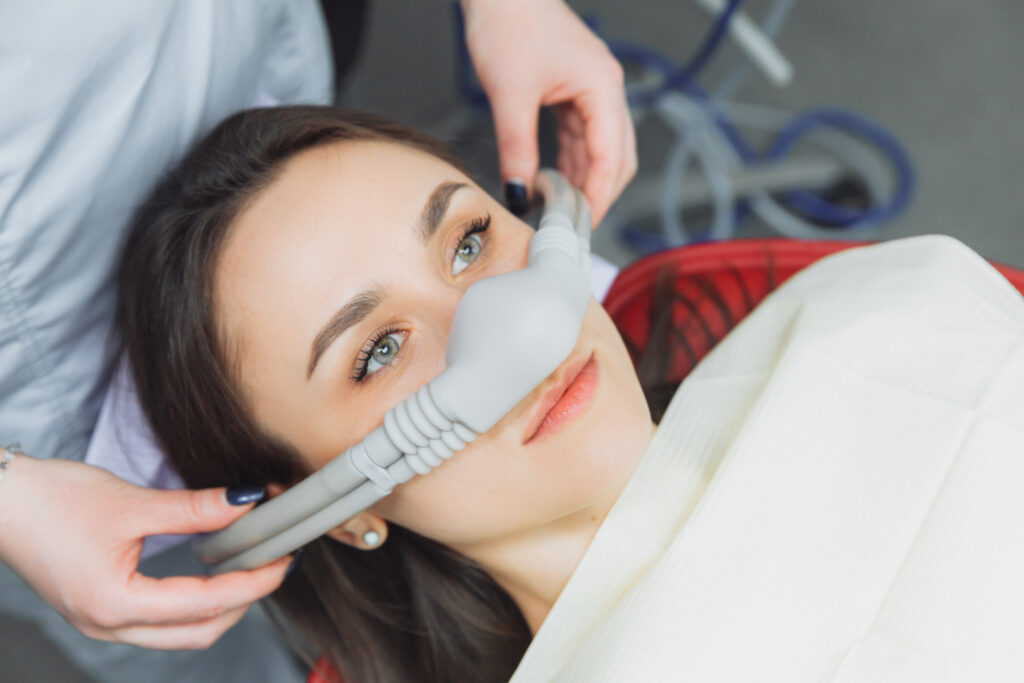
Sedation in dentistry helps patients feel calm and relaxed during dental procedures. Many people feel nervous about visiting the dentist. For this reason, dental sedation can make the experience easier. Dentists use safe medicines to help you stay comfortable. According to the American Dental Association, sedation is common and safe when given by trained professionals.
Types of Sedation Used in Dental Procedures
There are several dental sedation options. Each type works in a different way. Your dentist will choose the best one for your needs. Here are the main types:
Indications: Who May Need Dental Sedation?
Not everyone needs sedation in dentistry. Still, it can help many people. You may benefit from dental sedation if you:
For some, sedation makes dental care possible. Talk to your dentist about your concerns.
Benefits and Risks of Sedation in Dentistry
There are many benefits to safe dental sedation for patients. For example, it can help you stay calm and pain-free. It also allows dentists to work more quickly and easily. However, like any medical treatment, there are some risks. These may include:
Most side effects are mild and go away quickly. But, your dentist will check your health before giving sedation. This helps keep you safe.
How to Prepare for Dental Sedation
Proper preparation is important for a safe experience. Your dentist will give you clear instructions. Still, here are some general tips:
Always follow your dentist’s advice for the best results.
What to Expect During and After Sedation
During sedation, you will feel relaxed and may not remember much. The dental team will monitor you closely. After the procedure, you may feel sleepy or a bit confused. For this reason, it is best to rest for the day. Most people recover quickly. However, do not drive or use heavy machines until you feel fully alert.
Safety Tips and Precautions
Dental sedation is safe for most people. Even so, you should take some precautions:
With these steps, you can help ensure a safe dental visit.
Frequently Asked Questions About Dental Sedation
Conclusion: Talk to Your Dentist
In summary, sedation in dentistry can make dental care easier and less stressful. There are many dental sedation options to fit your needs. Always talk to your dentist to discuss the best sedation options for your needs. Your comfort and safety come first.