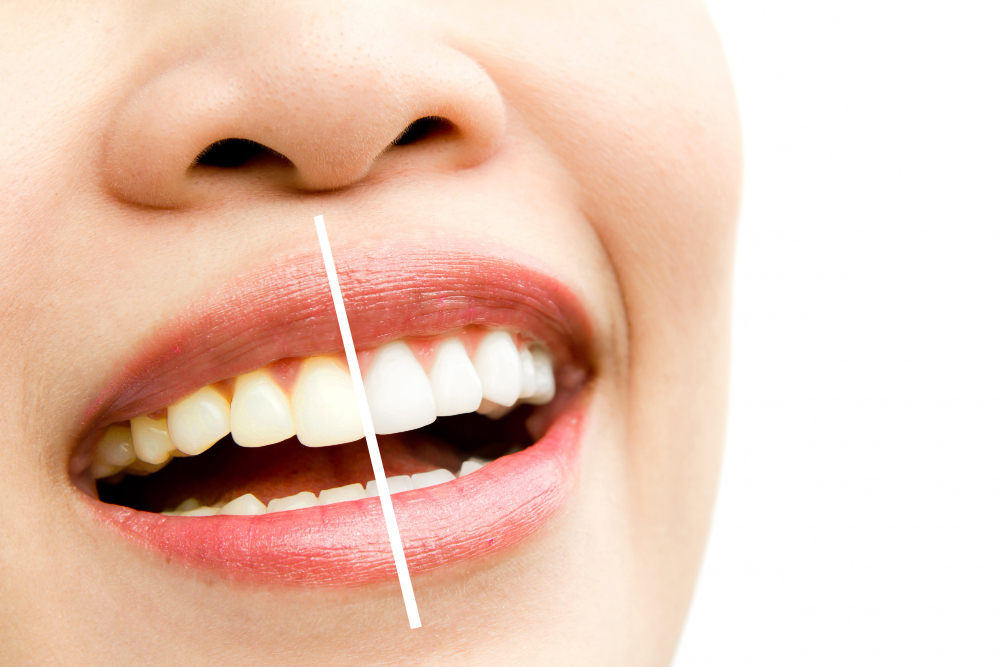
Teeth bleaching is a popular way to make your smile brighter. Many people want whiter teeth, so they look for safe teeth bleaching methods. You can choose professional teeth whitening at a dental office or try how to whiten teeth at home. But before you start, it is important to know the facts. This guide will help you understand teeth bleaching, its benefits, and how to keep your teeth white and healthy.
What is Teeth Bleaching?
Teeth bleaching is a process that lightens the color of your teeth. It uses special gels or solutions to remove stains and make teeth look whiter. Usually, these products contain safe chemicals like hydrogen peroxide or carbamide peroxide. Dentists often use stronger solutions for professional teeth whitening. At-home kits are milder but can still help. Overall, teeth bleaching is a simple way to improve your smile.
Common Causes of Tooth Discoloration
Many things can cause your teeth to look yellow or stained. Some reasons are easy to avoid, while others are not. For example, some foods and drinks can stain your teeth over time. In addition, certain habits and health issues may play a role.
Because of these causes, many people look for ways to whiten their teeth safely.
Teeth Bleaching Methods
There are several ways to bleach your teeth. Each method has its own pros and cons. Let’s look at the most common options.
In-Office Teeth Bleaching
Professional teeth whitening happens at a dental clinic. Dentists use strong bleaching agents and special lights. As a result, you can see quick and noticeable results. The American Dental Association (ADA) says this method is safe when done by a trained dentist.
At-Home Teeth Bleaching
Some dentists offer take-home kits. These kits include custom trays and bleaching gel. You use them at home for a set time. While results take longer, this method is still effective and safe if you follow instructions.
Over-the-Counter Whitening Products
You can buy whitening strips, gels, or toothpaste at most stores. These products are easy to use but may not work as well as professional options. Even so, they can help remove mild stains.
Benefits and Risks of Teeth Bleaching
Teeth bleaching offers many benefits. However, it is important to know the risks too. This way, you can make the best choice for your smile.
On the other hand, there are some risks. For example, some people may feel tooth sensitivity after bleaching. Gums can also get irritated if the gel touches them. Rarely, overuse can harm tooth enamel. According to the ADA, following instructions and seeing a dentist lowers these risks.
How to Prepare for Teeth Bleaching
Before you start, it is wise to talk to your dentist. They can check your teeth and gums to make sure bleaching is safe for you. In addition, they may clean your teeth to remove plaque. This helps the bleaching gel work better. If you have fillings or crowns, your dentist will explain that these will not change color. So, it is best to have a dental checkup first.
Aftercare and Maintaining Results
Once your teeth are whiter, you will want to keep them that way. Good habits can help your results last longer. For example, avoid foods and drinks that stain teeth. Brush and floss every day. Also, visit your dentist for regular cleanings.
By following these tips, you can enjoy a bright smile for a long time.
Who Should Avoid Teeth Bleaching?
Teeth bleaching is not for everyone. Some people should avoid it or talk to their dentist first. For example, children under 16 should not bleach their teeth. Pregnant or breastfeeding women should wait. People with sensitive teeth, gum disease, or worn enamel may need special care. If you have dental work like crowns or veneers, bleaching will not change their color. Always ask your dentist if teeth bleaching is right for you.
Frequently Asked Questions
Consult a dental professional at Virtue Dental Clinic to find the safest and most effective teeth bleaching option tailored to you.