What is Gum Disease (Periodontal Disease)?
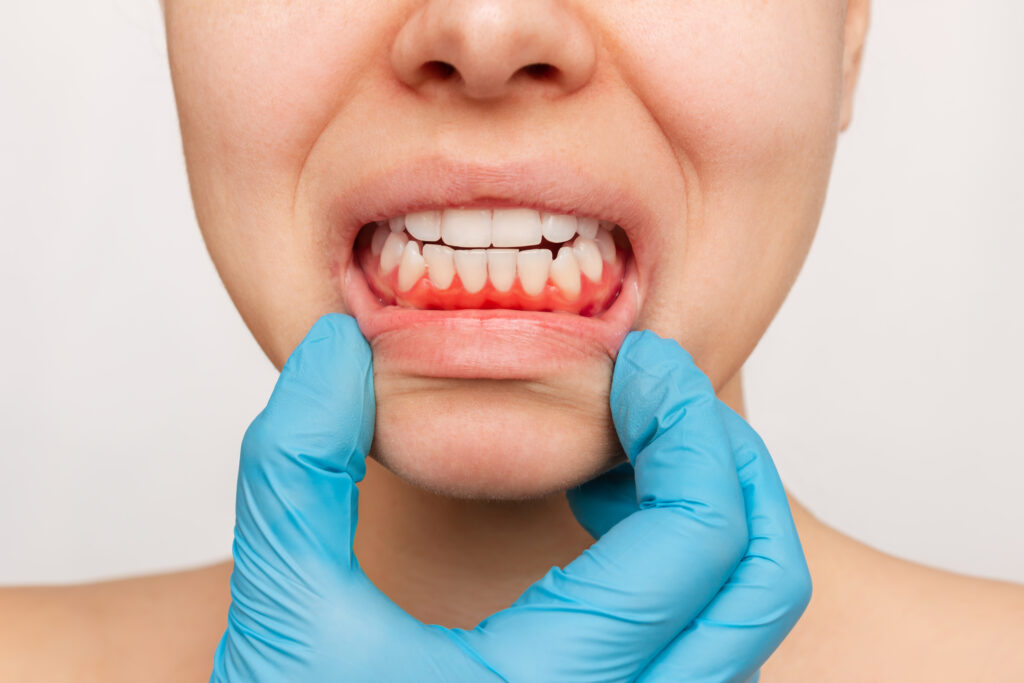
Gum disease, also called periodontal disease, is a common problem. It affects the tissues that hold your teeth in place. In the early stage, it is called gingivitis. If left untreated, it can become more serious and lead to tooth loss. According to the CDC, gum disease affects nearly half of adults over 30. Therefore, it is important to know how to prevent gum disease and keep your gums healthy.
Common Symptoms and Early Warning Signs
Early signs of gum disease are often mild. However, noticing them early helps prevent bigger problems. Watch for these symptoms:
If you notice any of these signs, it is wise to see your dentist soon. Early treatment can stop gum disease from getting worse.
Causes and Risk Factors
Gum disease starts when plaque builds up on your teeth. Plaque is a sticky film of bacteria. If not removed, it can harden into tartar. This makes it harder to clean your teeth and gums. Over time, this can lead to infection and damage. Several factors increase your risk, such as:
Because some risks are out of your control, good oral hygiene is even more important.
Importance of Oral Hygiene in Gum Health
Good oral hygiene is the best way to prevent gum disease. When you clean your teeth and gums well, you remove plaque before it can cause harm. In addition, healthy habits help your gums stay strong and pink. The World Health Organization and dental experts agree that daily care is key for healthy gums.
Best Oral Hygiene Practices for Healthy Gums
Following simple steps every day can make a big difference. Here are the best oral hygiene tips for healthy gums:
By following these oral hygiene tips, you can help prevent gum disease and keep your mouth healthy.
Prevention Tips for Gum Disease
Preventing gum disease is easier than treating it. Besides daily care, consider these extra steps:
Because prevention is better than cure, these steps help you avoid periodontal disease.
When to See a Dentist
It is important to see a dentist if you notice any signs of gum disease. Even if you have no symptoms, regular dental visits are vital. Your dentist can spot early problems and give you advice on how to avoid periodontal disease. If you have ongoing bad breath, bleeding gums, or loose teeth, do not wait. Early care can save your teeth and gums.
For more information, visit trusted sources like the CDC or the American Dental Association.
Consult a dental professional for personalized advice on gum health.